


You “own” the week, but the fees keep coming.
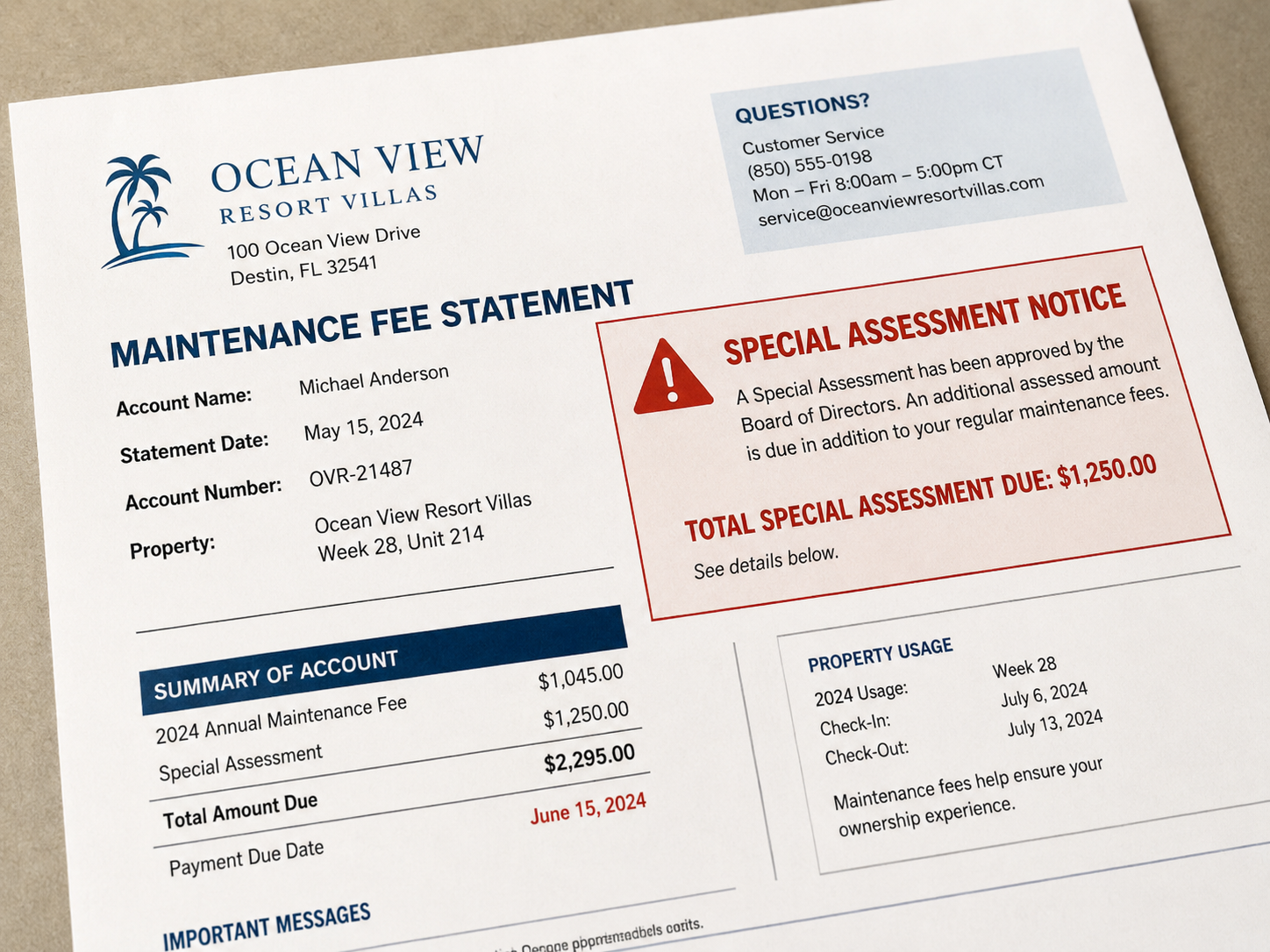
After paying the upfront cost, rising maintenance fees can approach the retail cost of the same vacation week — with little real resale value.

Concept page
A boutique fractional second-home concept built around small owner groups, specific properties, and real personal use — starting with Gatlinburg.
The gap
If you've seriously considered vacation ownership options before, you've probably faced the same dilemma.
Owning a second home on your own can be more than most people need, while timeshare-style products can feel like paying a premium for convenience.
Full ownership, full cost, full responsibility.
Convenient, but overpriced.
More proportionate access without buying the whole thing.
How the ownership model works
This concept starts with a small group owning one specific Gatlinburg property together, with recurring annual use, shared maintenance, and a simple structure designed around equal ownership.
Each owner would hold an equal share in the property through an LLC, rather than buying a vacation product or points package.
Each owner would receive recurring annual use of the property, making room for repeat trips, seasonal visits, and traditions.
Weeks would be spaced roughly every 13 weeks, such as weeks 1, 14, 27, and 40.
The schedule would shift forward over time so seasonal use is spread more fairly among owners.
Owners would share practical operating costs like taxes, insurance, HOA dues, utilities, upkeep, administration, and reserves.
If an owner cannot use a scheduled week, that time could be placed into a rental pool to help offset shared costs.
Why the usual paths feel off
None of these options are wrong. They just start to feel hard to justify when you only want a place you can return to a few times a year.
After paying the upfront cost, rising maintenance fees can approach the retail cost of the same vacation week — with little real resale value.
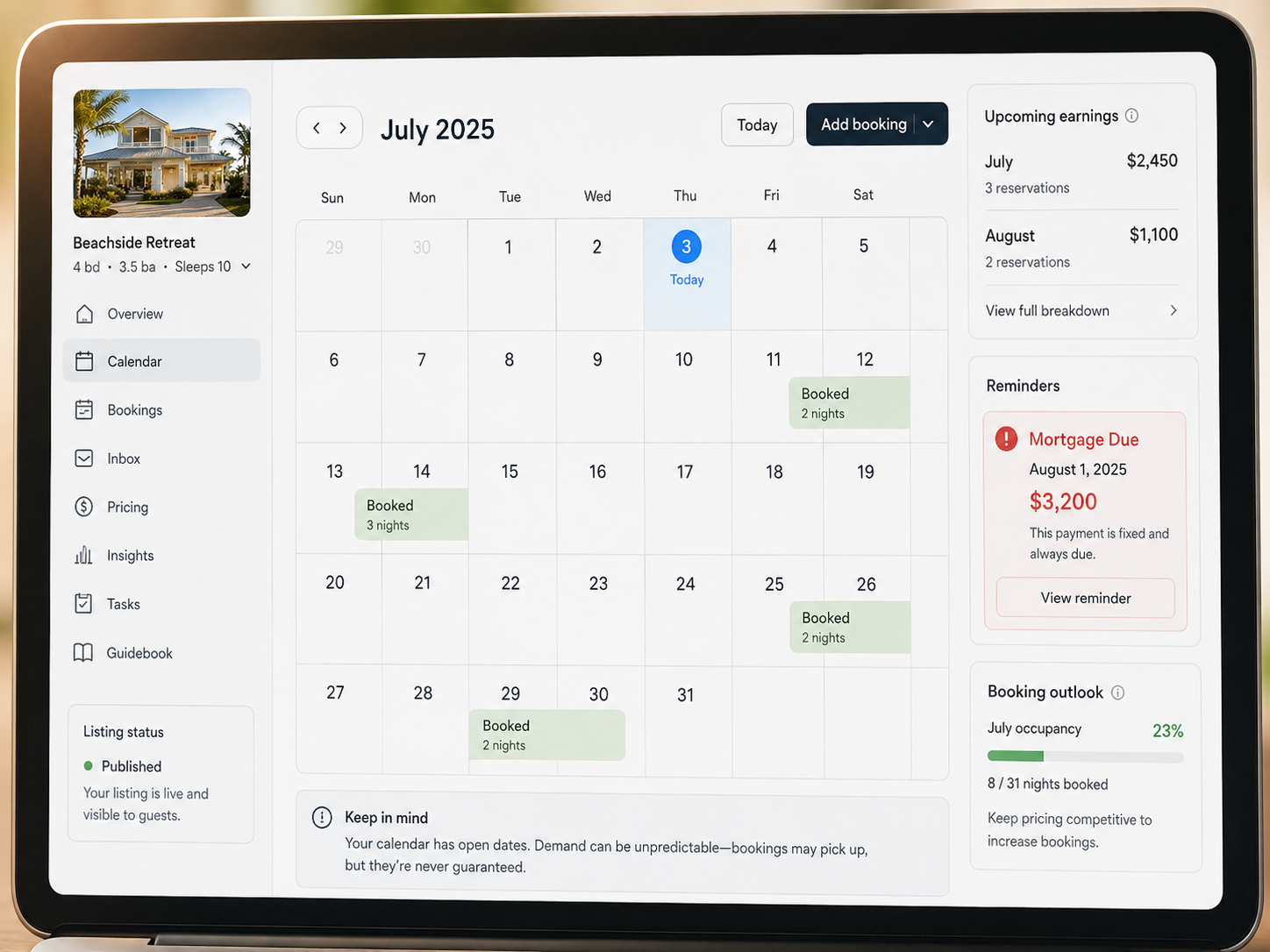
A true second home gives you control, but the mortgage, taxes, insurance, repairs, and upkeep are yours whether you use it often or not.
Rental income can offset costs, but bookings are unpredictable and the mortgage payment is still due every month.
What makes this different
Dividing a property into shares is the easy part. The harder part is making sure the ownership is fair, transparent, practical, and worth staying with over time.
The value should be tied to the actual property, furnishings, and reserves — not just the right to use a vacation system.
Thirteen owners is small enough for the property to have a connected owner group, not feel like points inside a large resort system.
Keeping mortgage debt out of the property itself helps make the ongoing costs easier to manage.
The goal is to pay for real costs — upkeep, admin, cleaning, reserves, and support — not add another profit layer into the model.
Reserves matter because flooring, furniture, appliances, paint, linens, and fixtures all wear out eventually.
Rental income can help when weeks go unused, but the model should make sense as a second home before it makes sense as a rental strategy.
Starting point
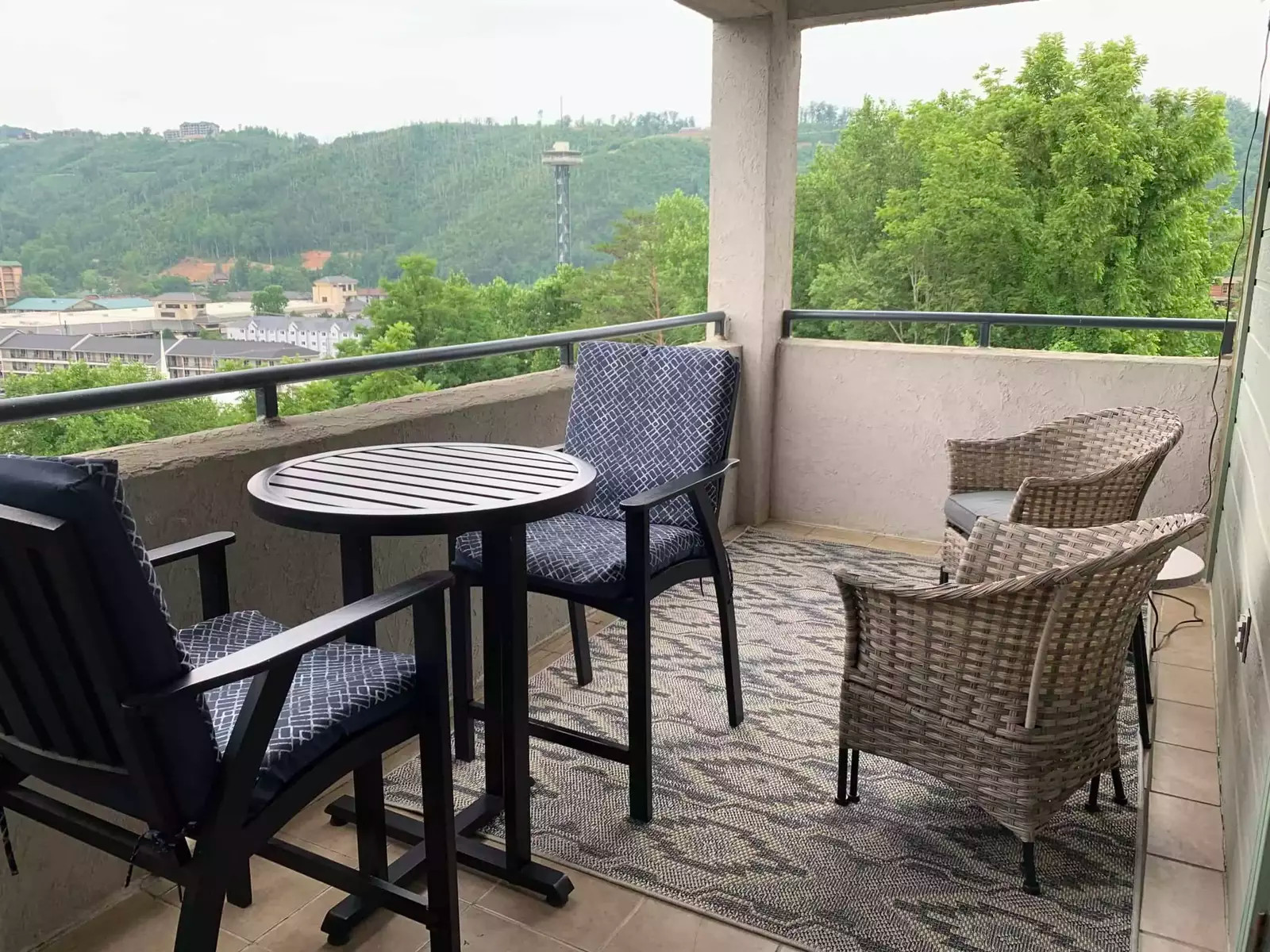
A condo near downtown keeps things simple. It is easier to get to, easier to maintain, and easier for owners to use for a long weekend without turning every trip into a production.
For this model, convenience matters. The goal is not just one big vacation a year — it is having a place that can realistically fit into repeat trips, seasonal visits, and family traditions.
Who this may be for
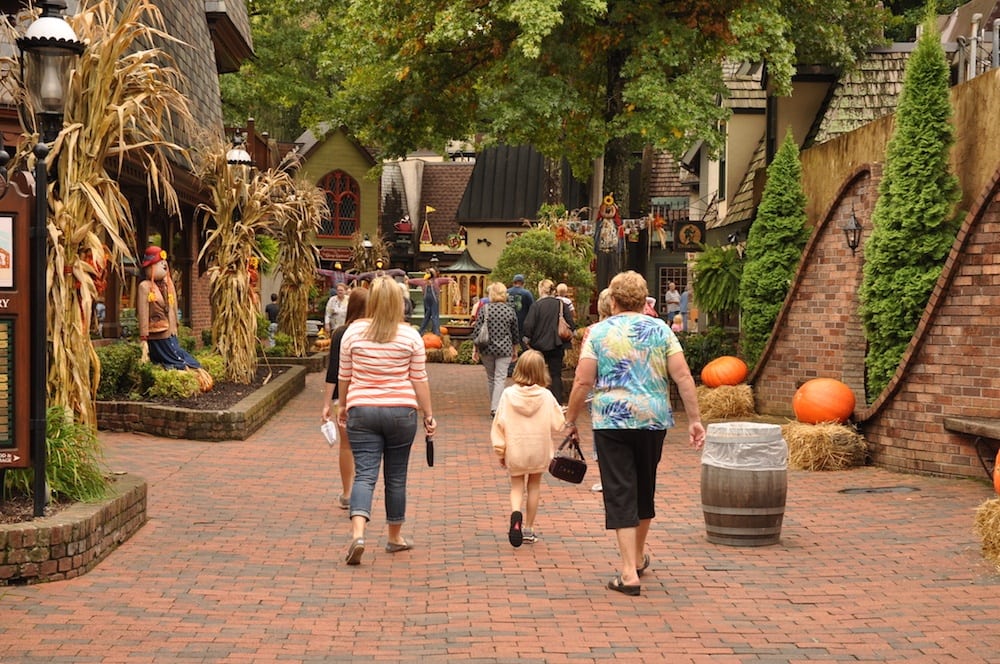
This is probably for someone who already finds themselves coming back to Gatlinburg — for fall weekends, family trips, mountain air, or just the comfort of a familiar place.
They may have thought about buying something of their own, but only need a few good weeks a year and want those weeks to feel more personal than another rental booking.
Next step
See a few realistic property directions, including estimated buy-in, shared costs, rental offset potential, and tradeoffs — then share which one fits you best.